
The listing goes live. Hours pass, then days. You watch the views climb, but inquiries stay quiet.
A similar rental property down the street, with fresh updates and a slightly higher rental price, gets leased within a week: same location, similar layout, completely different results.
That's when it becomes clear: in a competitive rental market, success isn't just about the unit, it's about how you price it.
Mastering how you price renovated and non-renovated units is where real rental value is built.
When you get it right and avoid costly mistakes, you don’t just fill vacancies but you also build consistent income, attract quality tenants, and position your property to outperform the market.
Key Takeaways for Maximizing Rental Property Value
Strategic renovations should focus on ROI, not just aesthetics
Accurate market research is essential to set competitive rental rates
Tenant satisfaction and retention directly impact long-term profitability
Understanding Rental Property Pricing in Today's Rental Market
You operate in a rental market where tenants compare everything: price, finishes, location, and value. Pricing your rental property today means aligning your unit with market demand, not personal assumptions.
The right rental price doesn't just fill a vacancy; it also attracts tenants. It attracts quality tenants, protects your cash flow, and supports long-term financial success.
How Renovation Levels Impact Rental Property Value
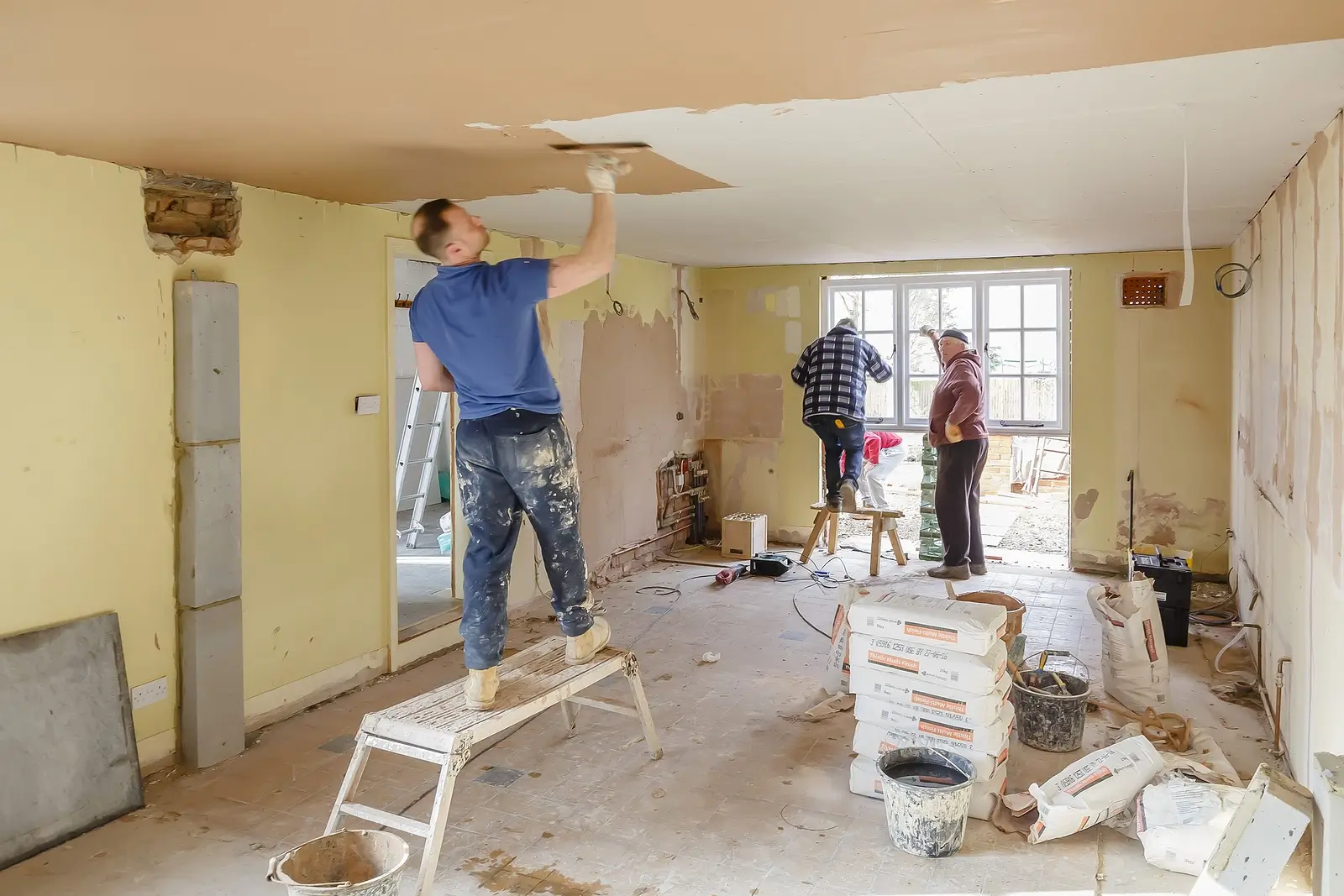
Renovation directly shapes your rental property value. A modern unit with updated living spaces increases rental appeal, while an outdated one competes mainly on price.
If you want to justify higher rent prices, your upgrades must reflect what potential tenants actually value, not just what looks good on paper.
Renovated Units and Higher Rental Income Potential
Renovated units give you the advantage of commanding higher rental rates. Features like energy-efficient appliances, freshly painted exteriors, and updated kitchens signal quality and convenience.
These improvements don't just increase rental income; they attract prospective tenants who are willing to pay for comfort and efficiency.
Non-Renovated Units and Competitive Rental Rates
Non-renovated units can still perform well when positioned correctly. You attract tenants by offering competitive rental rates that reflect the property's condition.
When priced right, these units appeal to a wider tenant pool looking for affordability without sacrificing location or functionality.
Market Research as the Foundation for Pricing Strategies
You cannot price unthinkingly. Market research anchors your pricing strategies and ensures you stay aligned with market rents.
When you understand your local rental market, you avoid overpricing, which leads to vacancy, or underpricing, which limits your rental income.
Analyzing Comparable Properties in the Local Rental Market
You need to study comparable properties and similar properties in your area. Look at rental history, unit condition, and amenities.
This helps you:
Set competitive rental rates
Identify gaps in your rental property portfolio
Understand what attracts quality tenants
Understanding Market Trends and Rental Rates
Market trends shift constantly. Seasonal demand, economic conditions, and supply levels all influence rental rates.
When you stay informed, you can justify rent increases or adjust pricing before your competitors do.
Strategic Renovations That Justify Higher Rent Prices
Not all upgrades are equal. Strategic renovations focus on improvements that significantly boost rental property ROI.
You should align every upgrade with tenant preferences and what enhances tenant satisfaction.
Property Upgrades That Significantly Boost Rental Appeal
Certain upgrades consistently increase your property's appeal and help justify higher rental prices:
Stainless steel appliances and modern kitchens
Energy-efficient appliances that reduce energy costs
Boost curb appeal with fresh exterior paint
Functional and attractive living spaces
Pet-friendly properties that expand your tenant pool
Cost-Effective Ways to Increase Rental Property Value
You don't need a full renovation to increase your rental property's value. Small, cost-effective ways can deliver strong returns.
Focus on improvements that enhance tenant appeal without inflating operating expenses, such as lighting upgrades or repainting interiors.
Balancing Operating Expenses and Rental Income
Your rental income must cover more than just the profit; it must also account for property taxes, mortgage payments, and maintenance.
When you reduce energy costs and lower utility bills through efficient upgrades, you improve cash flow without unnecessarily raising rent.
Pricing Strategies for Renovated vs. Non-Renovated Units
You need different pricing strategies for each unit type. Renovated units justify higher rent, while non-renovated ones rely on competitive positioning.
To maximize rental income, you should:
Set the right rental price based on market research
Avoid overpricing that increases vacancy
Adjust rental prices based on market demand
Use upgrades to justify higher rental rates
Stay competitive with similar properties
Tenant Retention and Long-Term Rental Property ROI
Tenant retention plays a major role in maximizing rental property ROI. High turnover costs reduce your overall profitability.
When you keep tenants longer, you stabilize your rental business and reduce expenses tied to vacancies and new tenant acquisition.
How Renovations Influence Tenant Satisfaction
Renovations greatly impact tenant satisfaction. Well-maintained properties with modern features enhance daily living.
When tenants feel comfortable in your rental unit, they are more likely to stay, reducing turnover and protecting your income.
Property Management's Role in Setting the Right Rental Price
Effective property management ensures your pricing aligns with market conditions and tenant expectations.
A strong property management strategy helps you:
Screen tenants effectively
Monitor rental rates and market rents
Maintain well-maintained properties
Improve tenant satisfaction
Optimize your rental property ROI
FAQs About Pricing Renovated vs. Non-Renovated Units
1. How can cost savings impact your rental property strategy?
Cost savings allow you to invest in creating an attractive space while maintaining strong cash flow and long-term profitability.
2. Why is tenant screening important for temporary housing rentals?
Tenant screening helps you secure reliable occupants, especially in temporary housing, reducing risks and protecting your property.
3. Can an attractive space really justify higher rental prices?
Yes. An attractive space improves tenant appeal, helping you attract better tenants and support competitive rental rates.
Turn Smart Pricing Into Stronger Returns
Pricing your rental property goes beyond numbers; it's about how you position your unit, respond to market demand, and plan for long-term growth.
Forefront Property Management works closely with property owners like you to refine pricing strategies, analyze the local rental market. They also help identify the right strategic upgrades that genuinely increase rental property value.
Our approach is simple. We don't just handle property management; we help you maximize rental income, minimize turnover costs, and strengthen your rental property portfolio so it performs in any market condition.
Take your rental business to the next level.
Connect with us today, and together we'll transform every unit, renovated or not, into a high-performing asset that delivers consistent returns.
Other Resources:
What Landlords Need to Know About Eviction Timelines in Texas